Pasta Shape Guide
At La Pasta Bowl, the pasta shape matters. Italians don’t choose pasta at random — each pasta shape is designed to work with specific sauces, textures, and ingredients. This guide explains how a common dried pasta shape functions and why choosing the right one makes every dish better.
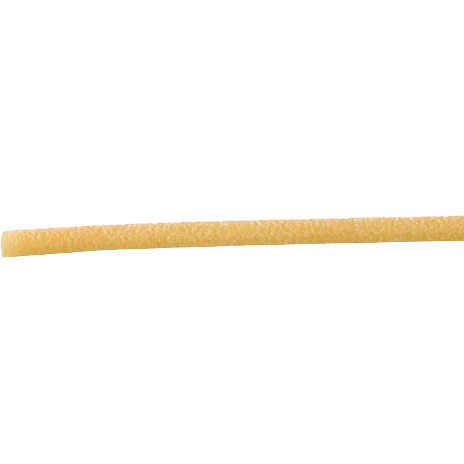
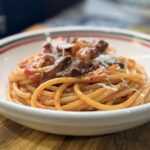
Bucatini
Best for: Rich tomato sauces, amatriciana-style dishes
Bucatini looks like spaghetti but has a hollow center, allowing sauce to run through the strand itself. This creates a more intense flavor experience with every bite.
It’s especially well-suited for bold tomato-based sauces that benefit from deeper sauce integration.
Common pairings: Amatriciana, robust tomato sauces, pancetta-based sauces
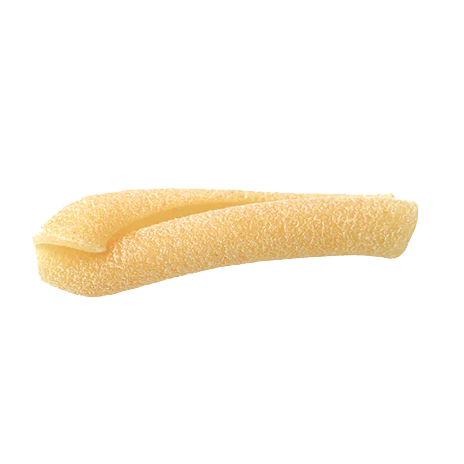
Casarecce
Best for: Light sauces, olive oil–based pastas, vegetables, citrus, herbs
Casarecce is a short, twisted pasta with open curves that hold onto light sauces beautifully. Its pasta shape catches olive oil, lemon, and finely chopped ingredients without requiring a thick or heavy sauce. Casarecce excels in bright, fresh dishes where balance and coating matter more than weight.
Common pairings: Lemon sauces, spinach, garlic, seafood, light stocks
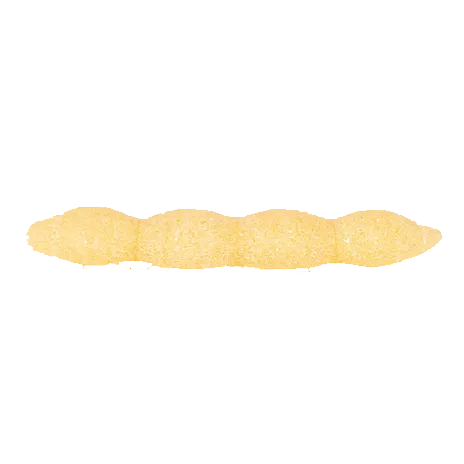
Cavatelli
Best for: Greens, sausage, rustic sauces
Cavatelli is a small, shell-like pasta shape with a slight hollow. Their curved form makes them ideal for catching bits of sausage and leafy greens.
This pasta shape is common in Southern Italian and Italian-American kitchens, where simplicity and texture matter more than elegance.
Common pairings: Broccoli rabe, sausage, garlic and oil
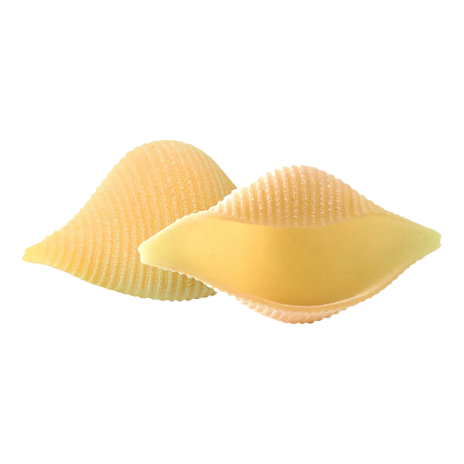
Conchiglioni
Best for: Stuffed pasta dishes, baked pasta, and rich sauces
Conchiglioni are large shell-shaped pasta designed to hold fillings. Their deep, curved interior captures cheese, meat, or vegetable fillings, while their ridged exterior helps sauces cling during baking.
This pasta shape turns pasta into a complete, self-contained bite — structured, satisfying, and ideal for oven-finished dishes.
Common pairings: Ricotta filling, meat filling, baked tomato sauces
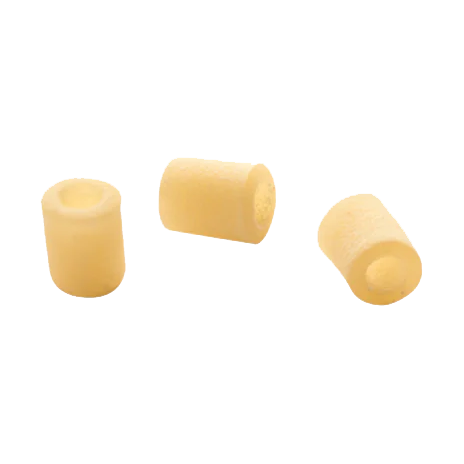
Ditalini
Best for: Soups, brothy dishes, beans, and rustic comfort recipes
Ditalini — meaning “little thimbles” — are small, tube-shaped pasta designed for spoonable dishes. Their size makes them ideal for soups, where they add substance without overwhelming the broth. They’re especially well suited for traditional Italian soups that rely on balance rather than heaviness.
Ditalini blends into the dish rather than dominating it, making every spoonful feel complete and satisfying.
Common pairings: Pasta e fagioli, vegetable soups, chicken soup
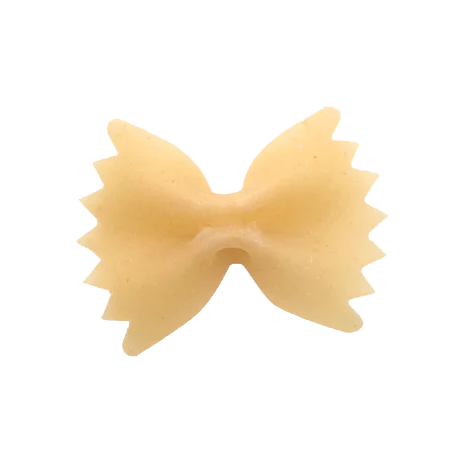
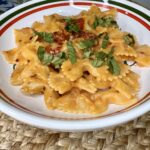
Farfalle
Best for: Creamy sauces, vegetable-forward dishes, lighter cream sauces
Farfalle’s pinched center and ridged edges create textural contrast. It works well in creamy or emulsified sauces where the folds can trap flavor, while still offering a pleasant bite.
Common pairings: Cream sauces, mushrooms, peas, chicken
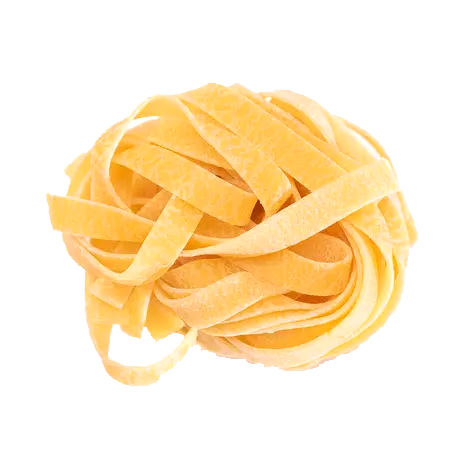
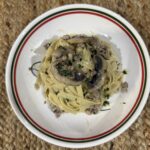
Fettuccine
Best for: Cream sauces, mushroom sauces, rich meat sauces
Fettuccine’s wide, flat ribbons provide structure and surface area, making it ideal for sauces with body. It carries richness well without becoming overwhelming, especially when paired with mushrooms or cream-forward preparations.
Common pairings: Boscaiola, Alfredo-style sauces, mushroom sauces
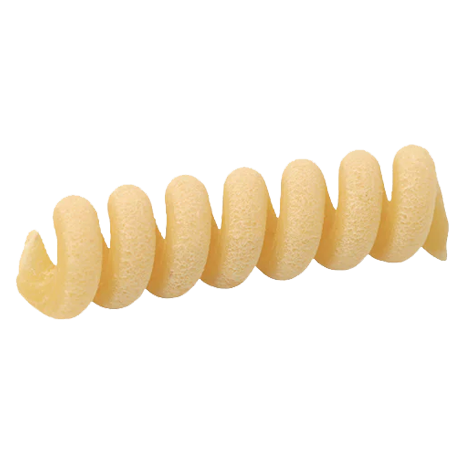
Fusilli
Best for: Cream sauces, tomato sauces, pesto, and vegetable-based dishes
Fusilli’s spiral pasta shape is built to capture sauce. The tight twists hold onto creamy, oily, or tomato-based preparations, ensuring flavor is distributed evenly throughout the dish.
This pasta shape excels in recipes where coating matters. Every curve and groove works to carry sauce from plate to palate.
Common pairings: Creamy mushroom sauces, pesto, tomato cream sauces
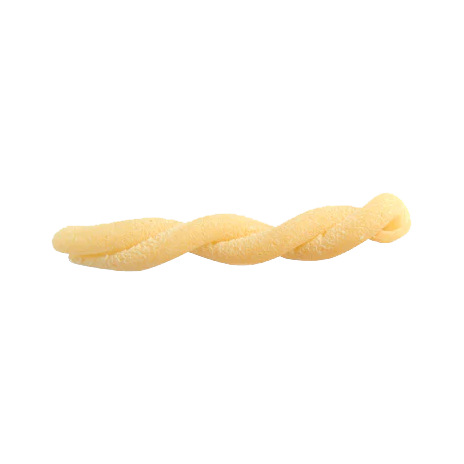
Gemelli
Best for: Light vegetable sauces, pesto, olive oil–based dishes
Gemelli’s twisted strands create small pockets that hold onto lighter sauces. It works particularly well with chopped vegetables and pesto-style preparations.
It’s an excellent choice when you want texture without heaviness.
Common pairings: Pesto, light tomato sauces, sautéed vegetables
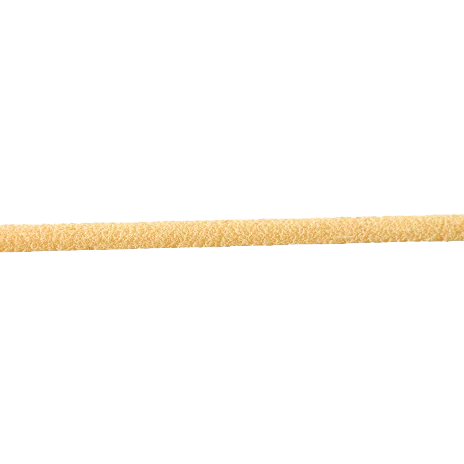
Linguine
Best for: Seafood sauces, light cream sauces, oil-based sauces
Linguine sits between spaghetti and fettuccine, offering a slightly wider surface while remaining delicate. It’s especially good for seafood and sauces that need a bit more grip without heaviness.
Common pairings: Clam sauces, lemon, olive oil, seafood
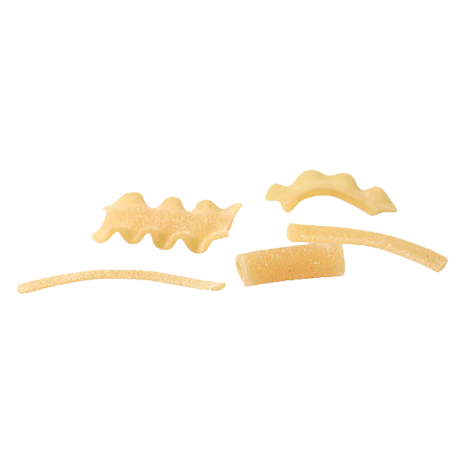
Mista Corta
Best for: Soups, rustic dishes, and traditional mixed pasta preparations
Mista Corta — meaning “short mix” — isn’t one shape, but a blend of several small pasta cuts. This mix reflects the Italian tradition of using what’s available, combining different textures into one cohesive dish.
It’s most often used in rustic soups, where variety adds character and reinforces the idea that Italian cooking values resourcefulness as much as precision.
Common pairings: Pasta e fagioli, lentil soup, vegetable soup
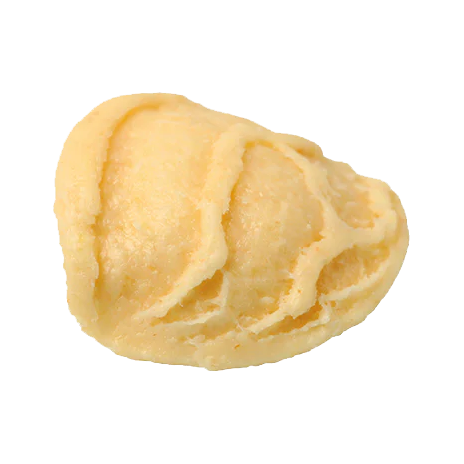
Orecchiette
Best for: Chunky ingredients, bitter greens, sausage
Orecchiette — meaning “little ears” — are designed to scoop. Their concave shape holds sausage, broccoli rabe, and other hearty ingredients, creating a perfectly balanced bite that showcases contrast in texture and flavor.
Common pairings: Sausage, broccoli rabe, garlic, olive oil
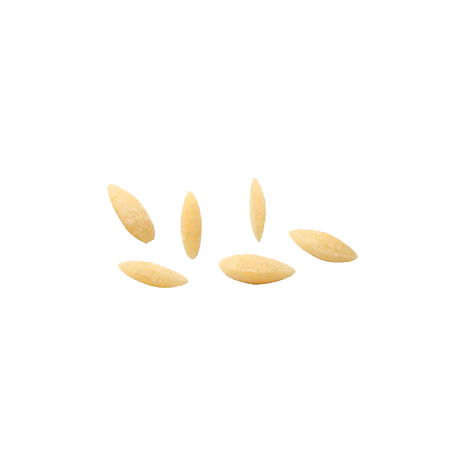
Orzo
Best for: Soups, brothy dishes, light sauces
Though rice-shaped, orzo is pasta through and through. It adds body to soups and brothy dishes without overwhelming them, making it ideal for comforting, nourishing meals.
Common pairings: Chicken soup, lemon, herbs, and vegetables
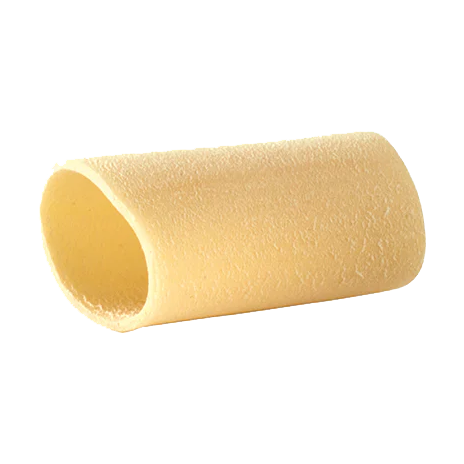
Paccheri
Best for: Hearty sauces, seafood, stuffed pasta dishes, and bold preparations
Paccheri are large, smooth tubes that make a statement on the plate. Their wide diameter allows them to hold thick sauces inside, delivering a full, rich bite. Originally from Southern Italy, paccheri are often paired with robust ingredients that match their size and structure.
They also work beautifully when stuffed, turning pasta into a centerpiece rather than a supporting element.
Common pairings: Seafood sauces, slow-cooked tomato sauces, ricotta fillings, meat sauces
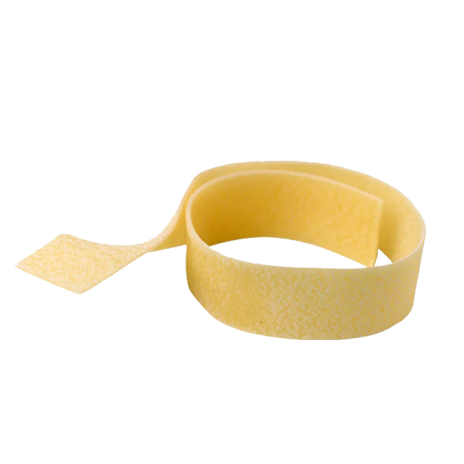
Pappardelle
Best for: Slow-cooked meat sauces, game, rich ragù
Pappardelle are wide, dramatic ribbons designed to carry deeply savory sauces. Their broad surface area supports slow-cooked meats and thick preparations without collapsing under the weight.
This shape is about depth and richness — bold sauces deserve bold pasta.
Common pairings: Beef ragù, short rib, wild mushroom sauces
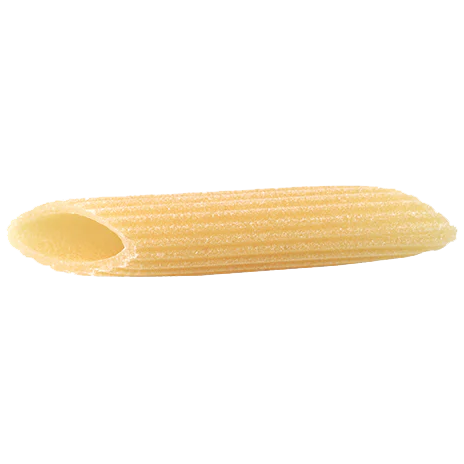
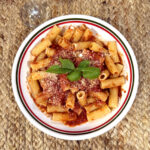
Penne
Best for: Versatile use, tomato sauces, cream sauces, baked dishes
Penne’s angled cut and ridged surface make it one of the most adaptable pasta shapes. It holds sauce well without overwhelming lighter preparations and works equally well in oven-baked recipes.
Penne is dependable and balanced — a reliable choice when you want structure without heaviness.
Common pairings: Arrabbiata, vodka sauce, baked pasta, vegetable sauces
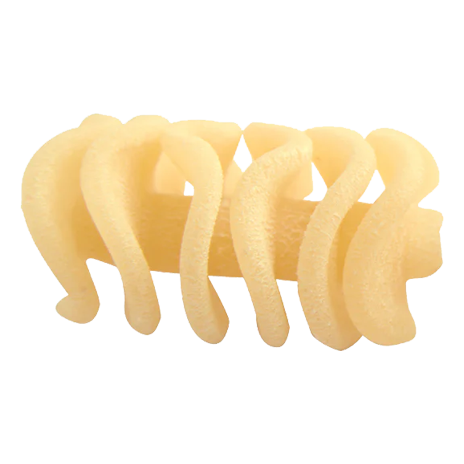
Radiatori
Best for: Cream sauces, chunky sauces, vegetable-based sauces
Radiatori, named for their resemblance to old-fashioned radiators, are designed for maximum sauce capture. Their ridges and grooves hold onto creamy, textured, or chunky sauces better than almost any other shape.
This structure ensures that every bite carries flavor, making radiatori especially effective in rich or hearty pasta dishes.
Common pairings: Cream sauces, mushroom sauces, vegetable sauces, meat sauces
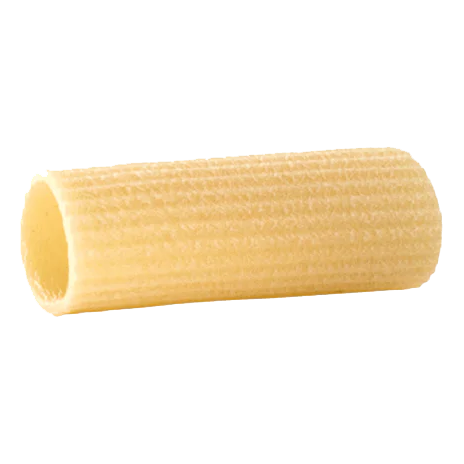
Rigatoni
Best for: Hearty sauces, baked pasta, chunky meat sauces
Rigatoni is bold and structured. Its wide tube and ridged exterior are designed to grab onto thick sauces, especially those with meat, tomato, or cream. The hollow center traps sauce inside, delivering flavor in every bite. Rigatoni shines in baked dishes and rustic preparations where sauce density matters. It’s built for heartier meals.
Common pairings: Meat ragù, baked pasta, sausage sauces, creamy tomato sauces
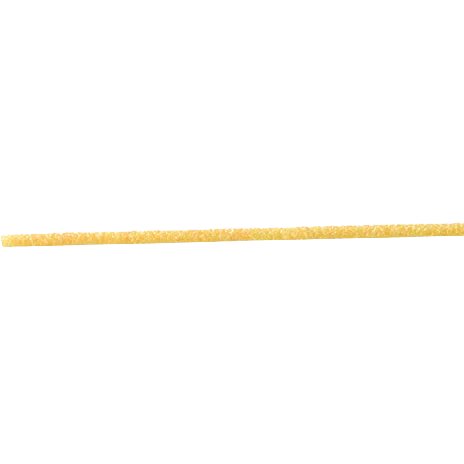
Spaghetti
Best for: Smooth sauces, tomato sauces, oil-based sauces
Spaghetti is all about simplicity. Its long, round strands work best with sauces that evenly coat rather than cling in chunks. When properly tossed, spaghetti delivers a clean, consistent bite from start to finish.
Common pairings: Tomato sauce, aglio e olio, lemon sauces, wine-based sauces
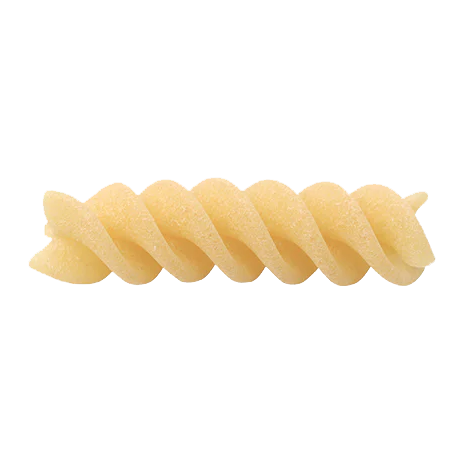
Tortiglioni
Best for: Hearty sauces, meat ragù, baked pasta, and robust tomato sauces
Tortiglioni are large, ridged tubes similar to rigatoni, but with deeper grooves and a slightly more structured form. Those ridges are designed to grip thick sauces, especially slow-cooked meat or tomato preparations, ensuring the sauce clings inside and out.
This shape delivers a balanced, substantial bite and excels in rustic dishes where sauce and pasta need to work as one.
Common pairings: Meat ragù, sausage sauces, baked pasta, rich tomato sauces
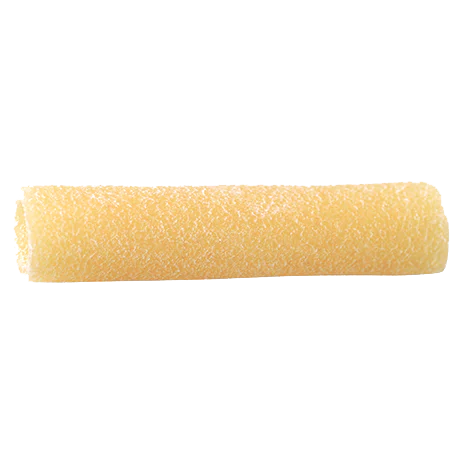
Ziti
Best for: Baked pasta dishes, tomato sauces, and Italian-American classics
Ziti are smooth, medium-sized tubes most famous for their role in baked pasta. Their hollow center allows sauce, cheese, and juices to flow inside during cooking, creating a cohesive, comforting dish.
Ziti represents the heart of Italian-American cooking — simple, filling, and meant to be shared. It’s less about elegance and more about tradition, family, and the table.
Common pairings: Baked ziti, tomato sauce, meat sauce, ricotta and mozzarella
Rule of Thumb
- Light sauce? Choose twisted or curved shapes
- Chunky ingredients? Choose scooping shapes
- Creamy or rich sauce? Choose wide, flat pasta
- Soups? Choose small, delicate shapes
Choosing the right pasta shape isn’t about rules — it’s about respect for the dish.
Shape Principle
- Tubes = hold sauce inside
- Twists = catch light coatings
- Wide ribbons = carry richness
- Small shapes = support soups and broths
Choosing the right pasta shape isn’t about rules — it’s about understanding how structure supports flavor.
Texture Guide
- Small shapes support broth
- Spirals and twists capture sauce
- Tubes trap sauce inside
- Shells hold fillings
- Mixed shapes create rustic texture
The shape isn’t decoration — it’s part of the recipe.
Structural Principle
Large tubes create bold, sauce-filled bites
Deep ridges capture heavier sauces
Defined shapes improve balance and consistency
In Italian cooking, shape is function — not decoration.
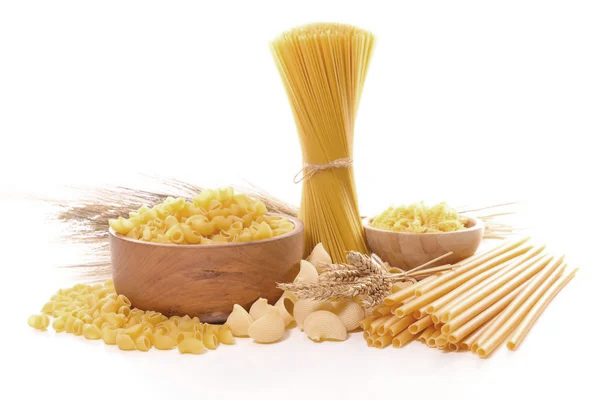
La Pasta Bowl Italian-American Tradition Note
Many Italian-American dishes rely on tubular pasta shapes like ziti and tortiglioni because they:
- Hold sauce inside and out
- Stand up to baking
- Deliver consistent, satisfying bites
These shapes helped define Italian-American home cooking.
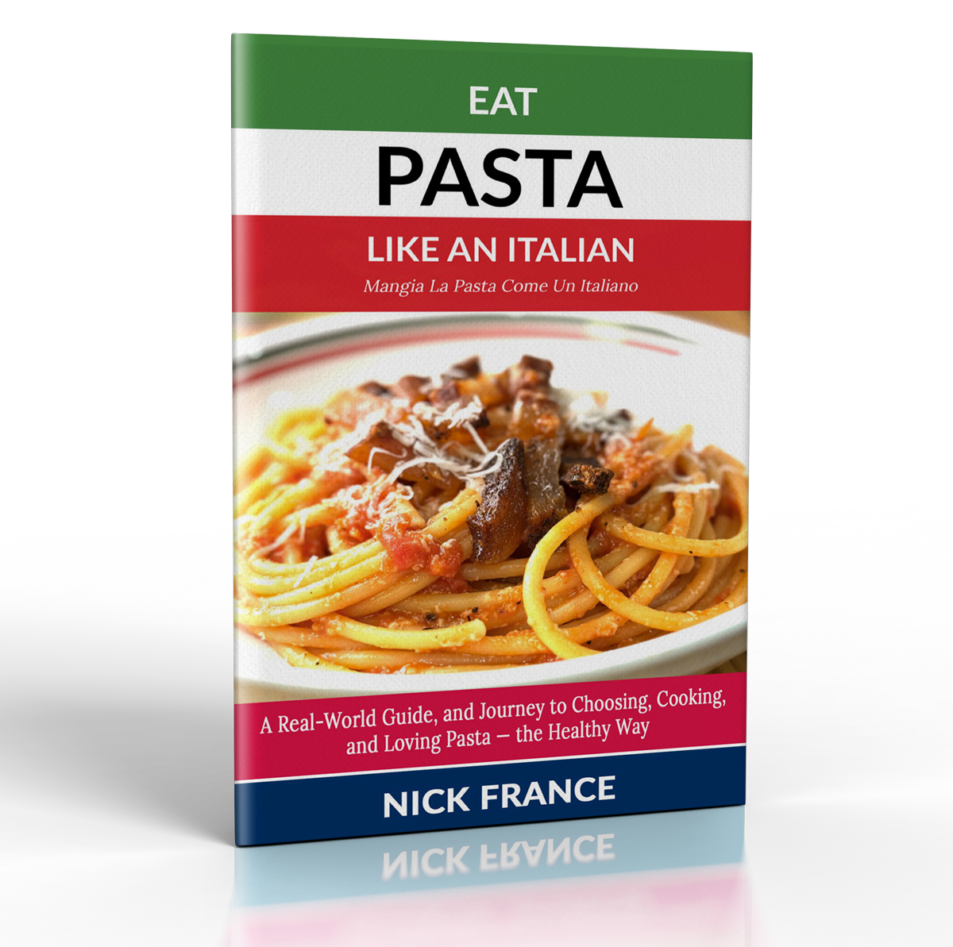
THE PASTA BOOK
Eat Pasta Like An Italian
Eat Pasta Like An Italian (Mangia La Pasta Come Un Italiano) is your guide to understanding pasta beyond the plate. With a strong focus on how to choose the best pasta, the book explores tradition, quality, and the Italian philosophy that eating pasta is about more than a meal — it’s about living well.
What You’ll Learn:
- How to choose the best dry pasta
- The art of pairing pasta shapes with sauces
- The cultural traditions and everyday wisdom about pasta
- How to enjoy pasta as part of a balanced, healthy lifestyle
- Why simplicity, fresh ingredients, and tradition matter
La Pasta Bowl’s Recipes
Discover recipes and techniques passed down through generations.
Newsletter Updates
Enter your email address below to subscribe to our Pasta Lovers Circle newsletter